Effective Stress Relief Methods to Manage Stress Levels
- Nelson Castillo
- Apr 15
- 4 min read
Stress is something we all face at different points in life. It can come from work, relationships, or even the small daily challenges that pile up. Managing stress well is essential for our overall health and happiness. I want to share some effective stress relief methods that have helped me and many others find calm and balance. These approaches are simple, practical, and easy to fit into your daily routine.
Understanding Stress Relief Methods
Stress relief methods are techniques and habits that help reduce the physical and emotional effects of stress. When stress builds up, it can affect your body, mind, and mood. You might feel tense, tired, or overwhelmed. Using stress relief methods regularly can help you feel more relaxed and in control.
Some common stress relief methods include:
Deep breathing exercises
Physical activity like walking or yoga
Mindfulness and meditation
Spending time in nature
Creative hobbies such as painting or writing
Each of these methods works by calming your nervous system and helping you focus on the present moment. When you practice them often, they can lower your heart rate, reduce muscle tension, and improve your mood.

Practical Stress Relief Methods You Can Try Today
Let’s explore some practical ways to manage stress that you can start using right now. These methods are easy to learn and don’t require special equipment or a lot of time.
1. Deep Breathing
Deep breathing is one of the simplest and most effective ways to calm your mind and body. When you feel stressed, your breathing tends to become shallow and fast. Taking slow, deep breaths helps reverse this.
Try this:
Sit or lie down comfortably.
Breathe in slowly through your nose for a count of four.
Hold your breath for a count of four.
Exhale slowly through your mouth for a count of six.
Repeat this cycle 5-10 times.
This technique helps lower your heart rate and relax your muscles almost immediately.
2. Physical Movement
Exercise is a natural stress reliever. It releases endorphins, which are chemicals in your brain that make you feel good. You don’t need to run a marathon; even a short walk around your neighbourhood can help.
Other gentle options include:
Yoga or stretching
Swimming
Dancing to your favourite music
Try to move your body for at least 20 minutes a day. It’s a great way to clear your mind and boost your energy.
3. Mindfulness and Meditation
Mindfulness means paying full attention to the present moment without judgement. Meditation is a practice that helps you develop this skill. Both can reduce stress by helping you step back from worries and focus on what’s happening right now.
You can start with just 5 minutes a day:
Find a quiet spot.
Sit comfortably and close your eyes.
Focus on your breath or a simple word or phrase.
When your mind wanders, gently bring it back.
There are many free apps and online videos that guide you through mindfulness and meditation exercises.
4. Connect with Nature
Spending time outdoors can have a calming effect on your mind. Nature helps reduce stress hormones and improve your mood. Even a few minutes in a park or garden can make a difference.
Try to:
Take a walk in a green space.
Sit by the sea or a river.
Listen to birds or watch the clouds.
Being in nature encourages you to slow down and breathe deeply.

What is the 3 3 3 Rule for Stress?
The 3 3 3 rule is a simple grounding technique to help manage moments of acute stress or anxiety. It’s easy to remember and can be done anywhere.
Here’s how it works:
3: Look around and name three things you can see.
3: Listen carefully and identify three sounds you can hear.
3: Move three parts of your body, such as your fingers, toes, or shoulders.
This exercise helps bring your attention away from stressful thoughts and back to the present moment. It’s a quick way to reduce feelings of panic or overwhelm.
Creating a Stress-Reducing Routine
Consistency is key when it comes to managing stress. Building a daily routine that includes stress relief methods can make a big difference over time. Here are some tips to help you create your own routine:
Set aside time each day for relaxation, even if it’s just 10 minutes.
Mix different methods to keep things interesting and effective.
Listen to your body and mind to know what works best for you.
Limit exposure to stress triggers like excessive news or social media.
Prioritise sleep as it plays a crucial role in stress management.
Remember, small changes add up. You don’t need to overhaul your life overnight. Start with one or two methods and gradually build from there.
If you want to explore more about techniques for stress management, there are many resources available that offer detailed guidance and support.
Embracing Holistic Well-Being for Lasting Relief
Stress relief is not just about quick fixes. It’s about nurturing your whole self - body, mind, and spirit. Holistic well-being means taking care of all parts of you in a balanced way.
Some additional ways to support your well-being include:
Eating nourishing foods that fuel your body
Staying hydrated throughout the day
Practising gratitude and positive thinking
Seeking support from friends, family, or professionals when needed
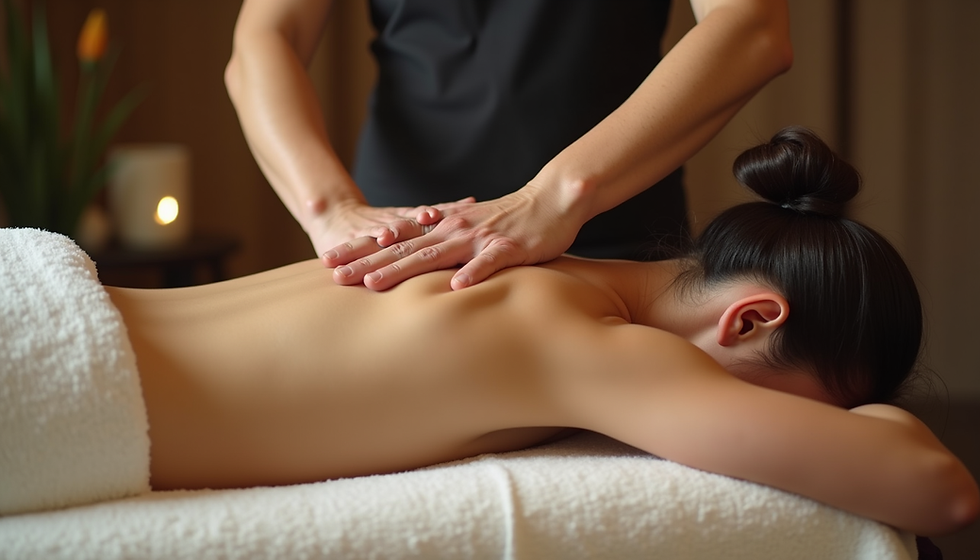
At Coastal Healing Ramsgate, we believe in combining traditional and modern healing practices to help you find relief from pain and stress. Whether it’s through massage, acupuncture, or guided relaxation, there are many paths to feeling better.
By embracing a holistic approach, you can build resilience and enjoy a more peaceful, joyful life.
I hope these stress relief methods inspire you to take gentle steps towards managing your stress levels. Remember, you are not alone, and every small effort counts. Take a deep breath, try one new technique today, and notice how it helps you feel more calm and centred.


Comments